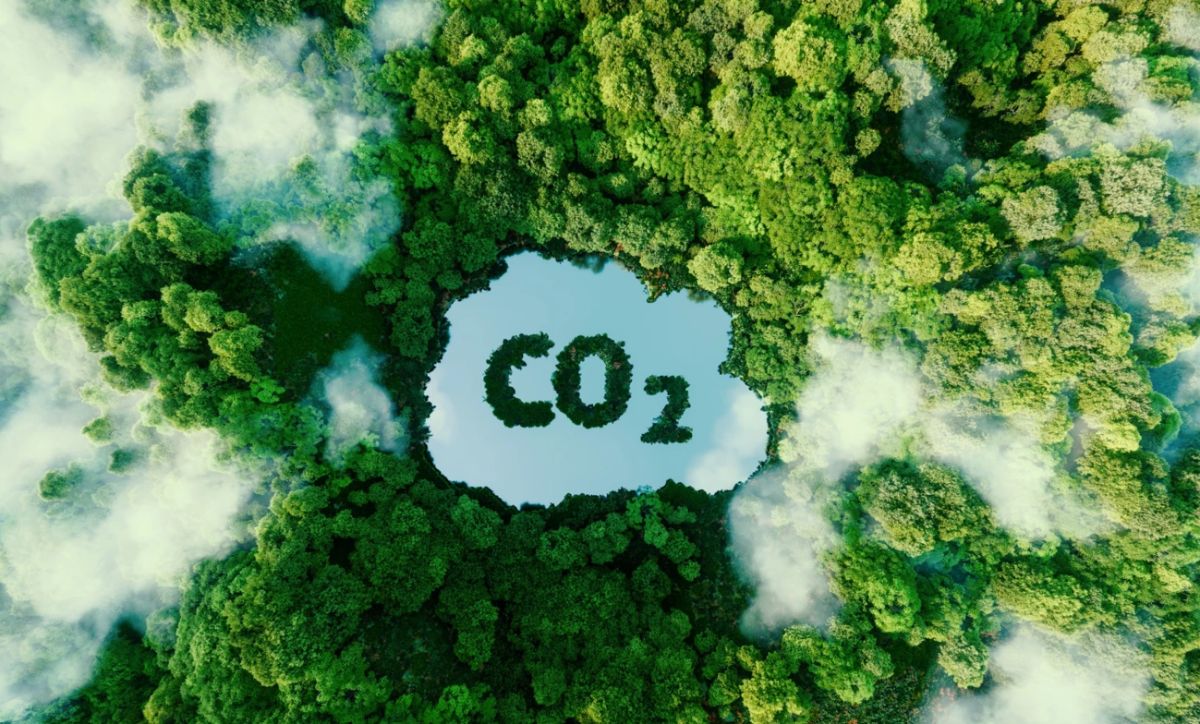
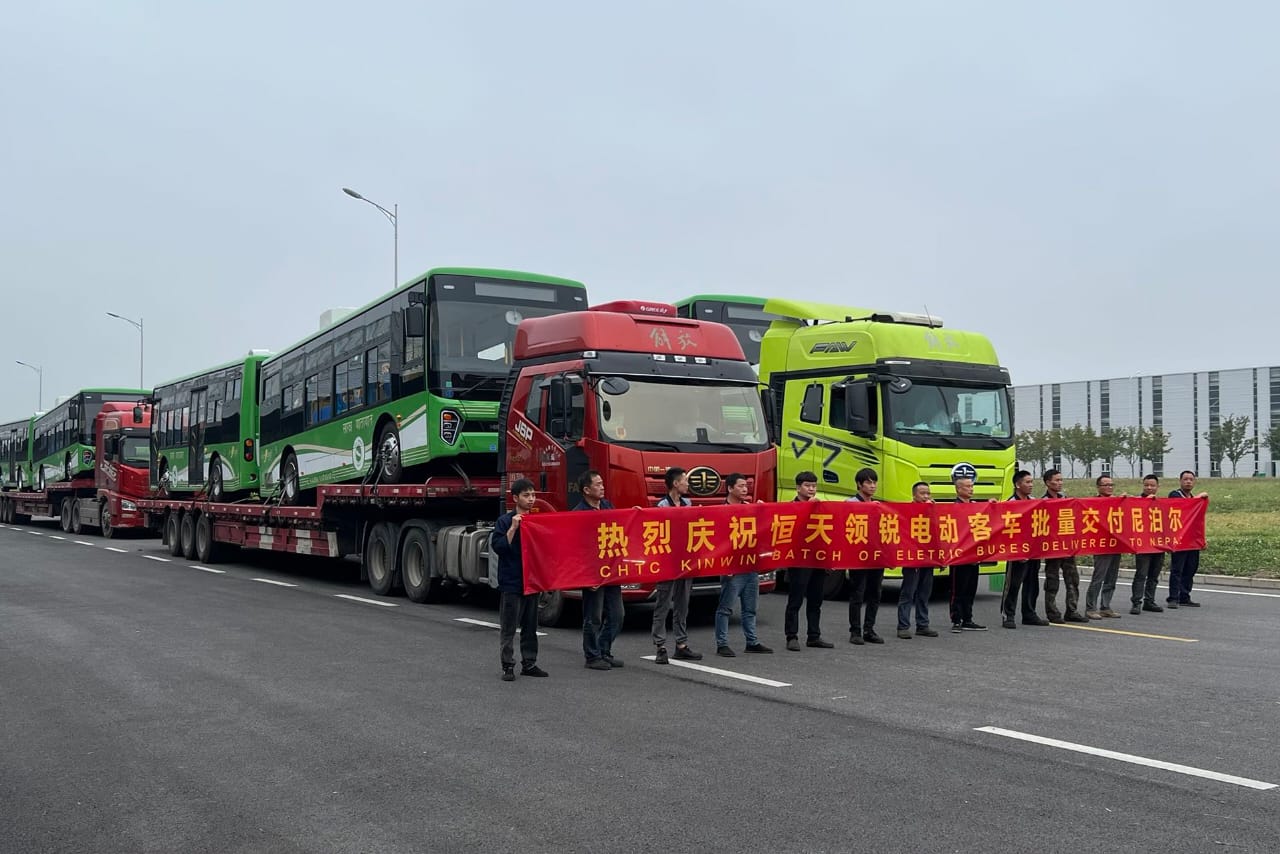
As the world faces the challenge of climate change, innovative solutions are emerging to reduce greenhouse gas (GHG) emissions. Carbon markets and carbon finance are two important mechanisms that provide financial incentives for reducing emissions and investing in sustainable practices. This blog article explains what carbon markets and carbon finance are, how they work, and how everyone can benefit, especially in countries like Nepal that rely on clean hydroelectricity and are adopting electric vehicles (EVs).
What are Carbon Markets?
The carbon market is an innovative system designed to reduce greenhouse gas (GHG) emissions by putting a price on carbon emissions and facilitating the trade of carbon credits. Each carbon credit represents the reduction or removal of one metric ton of carbon dioxide (CO2) or its equivalent in other GHGs. In this market, companies that exceed their emission limits are required to purchase additional credits to offset their excess emissions, while companies that reduce their emissions below the required level can sell their surplus credits. This trading mechanism creates a financial incentive for businesses to lower their carbon footprint, as they can profit from selling their unused credits or save money by reducing the need to buy additional ones.
Types of Carbon Markets
- Compliance Markets: Compliance markets, also known as mandatory markets, are regulated by governments or international bodies and are designed to enforce legally binding limits on greenhouse gas (GHG) emissions for specific industries. In these markets, entities such as power plants, factories, and other large emitters are assigned a certain number of emission allowances, which cap the total amount of GHGs they can emit. If a company emits more than its allotted amount, it must purchase additional allowances from others that have emitted less, thus staying within the overall cap set by the regulatory authority. A prominent example of a compliance market is the European Union Emissions Trading System (EU ETS), which sets a cap on emissions and allows trading of allowances to ensure that overall emissions are reduced in a cost-effective manner. Non-compliance in these markets can result in significant fines and penalties, ensuring strict adherence to emission reduction targets.
- Voluntary markets: They operate on a different principle, allowing companies and individuals to buy and sell carbon credits on a voluntary basis to meet their own sustainability or corporate social responsibility goals, rather than regulatory requirements. These markets are driven by the desire to offset carbon emissions and demonstrate environmental stewardship. Projects that generate carbon credits in voluntary markets often include renewable energy, reforestation, and energy efficiency initiatives in developing countries. Standards like the Verified Carbon Standard (VCS) and the Gold Standard certify these projects, ensuring the emission reductions are real, measurable, and permanent. By participating in voluntary markets, businesses can enhance their brand reputation, attract environmentally conscious customers, and contribute to global emission reduction efforts, even in the absence of mandatory regulatory frameworks.
How Do Carbon Markets Work?
Cap-and-Trade System
The cap-and-trade system is a primary mechanism in carbon markets designed to limit greenhouse gas (GHG) emissions while providing flexibility and financial incentives for compliance.
- Setting a Cap: In this system, governments or regulatory bodies establish a cap, which is a maximum limit on the total amount of GHGs that can be emitted by specific sectors or entities, such as factories, power plants, or other large emitters. The cap is set based on the overall emission reduction targets that need to be achieved to combat climate change. This cap is gradually reduced over time to ensure continued progress toward lower emissions.
- Issuing Allowances: To implement the cap, emission allowances are issued to the regulated entities. Each allowance permits the emission of one metric ton of CO2 or its equivalent in other GHGs. These allowances can be distributed in two main ways: either allocated for free based on historical emissions or sold through auctions. The auctioning process allows for market-driven pricing of allowances, while free allocation may be used to support industries transitioning to lower emissions.
- Trading: The core of the cap-and-trade system is the trading of allowances. Entities that manage to reduce their emissions below their allocated allowances can sell their surplus allowances to other entities that are struggling to meet their limits. This trading creates a financial incentive for all participants to reduce emissions efficiently. Entities with lower abatement costs can profit by selling their excess allowances, while those facing higher costs of reduction can buy allowances to comply with the cap. This market-driven approach ensures that emissions are reduced in the most cost-effective manner possible.
Offset Mechanisms
In addition to cap-and-trade systems, carbon markets often incorporate offset mechanisms to broaden the scope of emissions reductions.
- Carbon Offset Projects: These projects generate carbon credits by reducing, avoiding, or removing GHG emissions through various initiatives. Offset projects can take many forms, including reforestation, renewable energy installations, methane capture from landfills, and improvements in energy efficiency. Each project is designed to produce verifiable reductions in emissions that can be quantified and certified.
- Certification and Sale: Carbon offset projects undergo a rigorous certification process to ensure that the emission reductions are real, measurable, and additional—that is, they would not have occurred without the project. Certification standards such as the Verified Carbon Standard (VCS) or the Gold Standard verify the credibility of these projects. Once certified, the resulting carbon credits can be sold in both compliance and voluntary markets. In compliance markets, these credits can be used by entities to meet their emission reduction obligations. In voluntary markets, they can be purchased by companies or individuals aiming to offset their emissions or support environmental initiatives.
Benefits of Carbon Markets
- Cost-Effective Emission Reductions: Carbon markets enable cost-effective reductions by allowing entities to trade allowances and offsets, incentivizing the most efficient emission reductions.
- Encouragement of Innovation: Financial incentives from carbon markets drive innovation in green technologies and sustainable practices.
- Revenue Generation: Governments can generate revenue through the auctioning of allowances, which can be reinvested in further climate action and sustainable development projects.
What is Carbon Finance?
Carbon finance refers to financial investments and instruments aimed at reducing GHG emissions. It includes buying and selling carbon credits, funding carbon offset projects, and investing in low-carbon technologies and infrastructure.
Key Instruments in Carbon Finance
- Carbon Credits
Carbon credits are the cornerstone of carbon finance, serving as tradable certificates that represent a specific amount of greenhouse gas (GHG) reductions. Each carbon credit typically corresponds to the reduction or removal of one metric ton of CO2 or its equivalent in other GHGs, such as methane (CH4) or nitrous oxide (N2O). These credits are generated through various projects designed to reduce emissions, such as reforestation, renewable energy installations, or energy efficiency improvements.
Once a project generates carbon credits, these credits can be bought and sold on carbon markets. The trading of carbon credits allows businesses and organizations to offset their own emissions by purchasing credits from projects that have achieved verified reductions. This system creates a financial incentive for entities to invest in emission-reducing technologies and practices, as they can sell surplus credits if they exceed their reduction targets or buy credits if they fall short. By providing a market-based mechanism to quantify and trade emission reductions, carbon credits play a crucial role in driving global efforts to combat climate change.
- Green Bonds
Green bonds are a financial instrument used to raise capital for projects that deliver positive environmental impacts. These fixed-income securities are issued by governments, corporations, or financial institutions to fund initiatives aimed at promoting sustainability and reducing environmental harm. The proceeds from green bonds are specifically allocated to projects such as renewable energy development, energy efficiency improvements, sustainable agriculture, or pollution control.
Investors in green bonds receive regular interest payments and, upon maturity, the return of their principal investment. The key difference between green bonds and traditional bonds is that the former are earmarked exclusively for projects with documented environmental benefits. To ensure transparency and accountability, green bonds are often certified by third-party organizations that verify the environmental impact of the funded projects. By attracting investment into green projects, green bonds support the transition to a low-carbon economy and encourage responsible environmental stewardship.
- Climate Funds
Climate funds are investment vehicles dedicated to financing projects and initiatives that address climate change mitigation and adaptation. These funds pool resources from various sources, including governments, private sector investors, and philanthropic organizations, to support projects with significant environmental and social benefits. Climate funds are used to finance a wide range of activities, such as developing renewable energy infrastructure, enhancing climate resilience in vulnerable communities, and promoting sustainable land management.
There are several types of climate funds, including bilateral funds (managed by individual countries), multilateral funds (managed by international organizations), and private sector funds. Examples of prominent climate funds include the Green Climate Fund (GCF), which supports developing countries in their efforts to combat climate change, and the Global Environment Facility (GEF), which finances projects that address global environmental challenges. By providing targeted financial support, climate funds help scale up climate solutions, drive innovation, and accelerate the global transition to a sustainable and resilient future.
How Carbon Finance Works
Project Development:
Carbon finance begins with the development of projects aimed at reducing greenhouse gas (GHG) emissions. These projects can take various forms, including:
- Renewable Energy Plants: Projects that generate energy from renewable sources like wind, solar, or hydro power, replacing fossil fuel-based energy generation.
- Energy Efficiency Programs: Initiatives designed to reduce energy consumption in industrial processes, buildings, or transportation, such as upgrading insulation, implementing energy-efficient lighting, or optimizing manufacturing processes.
- Reforestation and Afforestation Efforts: Projects that restore deforested areas or plant new forests to sequester carbon dioxide from the atmosphere, contributing to both emission reductions and biodiversity conservation.
Certification:
To ensure that these projects deliver real and quantifiable emission reductions, they undergo a rigorous certification process. This involves:
- Verification by Standards: Projects are assessed and verified by established certification standards such as the Verified Carbon Standard (VCS) or the Gold Standard. These standards ensure that the emission reductions are genuine, measurable, additional (i.e., they wouldn’t have happened without the project), and permanent.
- Documentation and Auditing: Detailed documentation of the project’s methodology, implementation, and monitoring is reviewed. Independent auditors assess the project’s performance and verify that it meets the certification criteria.
Financing:
Once certified, projects seek financing through various mechanisms:
- Carbon Credits: Projects generate carbon credits, which represent a specific amount of GHG reductions. These credits can be sold to companies or entities needing to offset their own emissions.
- Green Bonds: Fixed-income securities issued to raise capital specifically for financing environmentally beneficial projects.
- Climate Funds: Investment funds dedicated to supporting projects that mitigate or adapt to climate change, often backed by government bodies, private investors, or international organizations.
Revenue Generation:
The emission reductions achieved by the projects create economic value:
- Sale of Carbon Credits: Projects can sell their carbon credits on carbon markets, providing a revenue stream that can be used to cover costs and fund additional projects.
- Energy Savings: Energy efficiency projects often result in direct cost savings from reduced energy consumption, which can be reinvested in further sustainability initiatives.
Basic Steps for Carbon Finance Projects
- Initial Feasibility: Determine if there is a viable market to sell your product and increase sales. Assess how much fossil fuel or firewood your product replaces and the difference between the current and expected situations. Consider if there are sufficient emissions reductions to receive carbon finance. Seeking help from a partner or an experienced consultant can be beneficial.
- Baseline Study and Methodology: The amount of credits (and eventually money) you get depends on how much emissions and unsustainable biomass use you avoid and what the current situation is. You must prove these reductions with scientific evidence and rigorous data collection. Choose an applicable accounting methodology from the UNFCCC website (http://cdm.unfccc.int) and calculate expected carbon savings based on that methodology. Experienced carbon finance partners can guide you through this process.
- Monitoring Plan: Develop a monitoring plan that outlines how you will measure emissions reductions and the social, economic, and environmental benefits of your project. For household technologies like fuel-efficient cook stoves, monitoring can be challenging, requiring visits to many households and statistically sound sampling methods.
- Preparing Project Documentation: Gather all necessary information to develop a Project Design Document (PDD), including calculations and references. The PDD is crucial for the validation process and will be checked by various institutions. At this stage, identify potential buyers of your carbon credits who might finance the PDD development or partners with the necessary expertise to help.
- Independent Validation and Registration: The PDD, including the baseline, estimated CO2 savings, and monitoring plan, will be verified by an independent verifier (Designated Operational Entity, DOE), an agency of your government, and the CDM Executive Board. If approved, your project will be registered, and you can start implementation.
- Implementation, Ongoing Monitoring, and Verifications: After registration, maintain good record-keeping. Periodic verifications (every one to two years) will check if you achieved the estimated emissions reductions. Adjustments will be made to the number of credits you receive based on these verifications.
Benefits of Carbon Finance
- Mobilization of Capital: Carbon finance mobilizes significant capital for climate action, facilitating the transition to a low-carbon economy.
- Support for Sustainable Development: Investments in carbon finance often contribute to broader sustainable development goals, such as poverty alleviation, job creation, and ecosystem preservation.
- Risk Management: By investing in carbon finance, companies can manage their regulatory and reputational risks associated with carbon emissions.
The Future of Carbon Markets and Carbon Finance
- Scaling Up: As global climate ambitions increase, carbon markets and finance need to scale up. This involves expanding market coverage, enhancing regulatory frameworks, and increasing the availability of high-quality carbon credits.
- Integration with National Policies: Effective integration of carbon markets with national and international climate policies will be crucial for maximizing their impact.
- Technological Advancements: Emerging technologies, such as block chain and AI, can enhance the transparency, efficiency, and integrity of carbon markets and finance.
- Inclusive Growth: Ensuring that the benefits of carbon markets and finance are shared equitably is essential for sustainable and inclusive growth.
How Countries Like Nepal Can Benefit
Nepal, with over 90% of its electricity coming from clean hydroelectric power and increasing adoption of electric vehicles (EVs), stands to gain significantly from carbon markets and carbon finance.
- Selling Carbon Credits: Nepal can generate carbon credits by maintaining its clean energy infrastructure and expanding renewable energy projects. These credits can be sold in both compliance and voluntary markets, generating revenue for further sustainable development.
- Financing Clean Energy Projects: Carbon finance can attract investments for new hydroelectric projects and other renewable energy sources, enhancing the country’s energy security and reducing reliance on fossil fuels.
- Supporting EV Adoption: As more EVs are powered by clean hydroelectricity, Nepal can develop carbon offset projects related to transportation. These projects can earn carbon credits and provide additional revenue streams.
- Promoting Sustainable Practices: With carbon finance, Nepal can invest in various sustainable practices, such as reforestation and energy efficiency improvements, contributing to global emission reduction efforts and local environmental conservation.
Carbon markets and carbon finance are crucial tools in the global effort to combat climate change. By providing financial incentives for reducing emissions and investing in sustainable practices, these mechanisms play a vital role in transitioning to a low-carbon economy. Countries like Nepal, with their clean energy infrastructure and growing EV adoption, can significantly benefit from these mechanisms. While challenges remain, the potential benefits of well-designed carbon markets and robust carbon finance mechanisms are immense, offering a pathway to a sustainable and resilient future.