What Are Carbon Emissions?
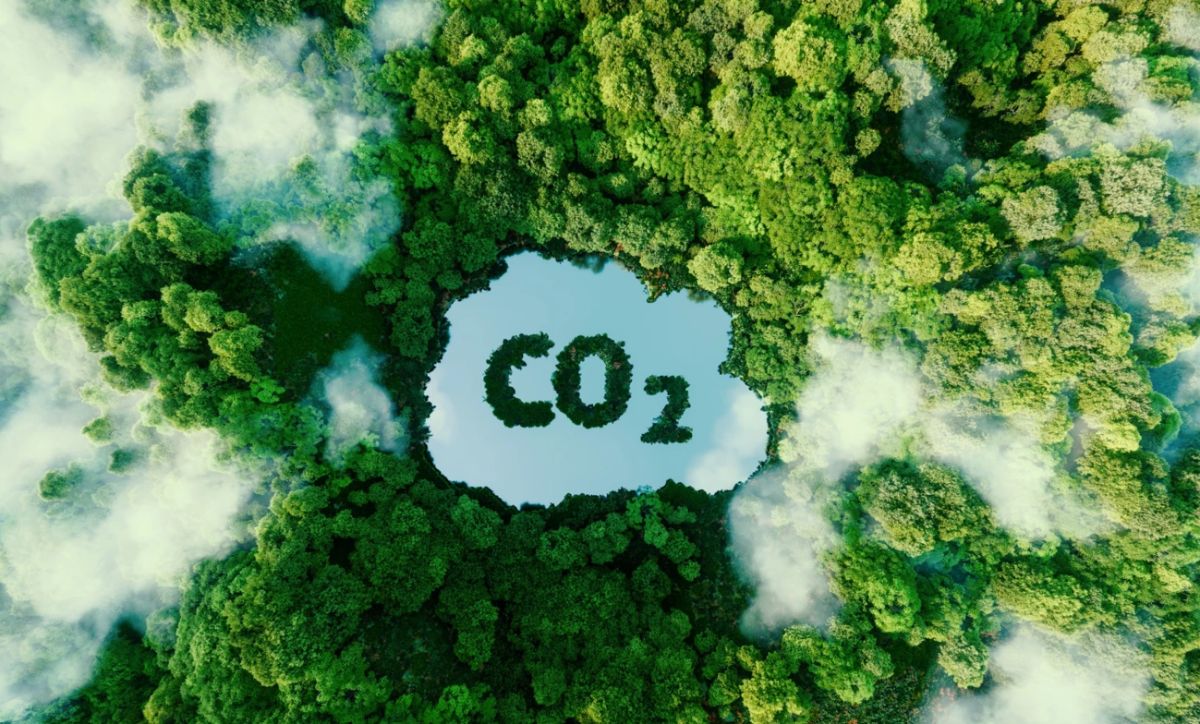
Imagine the atmosphere as a cozy blanket wrapped around the Earth. Now, picture carbon emissions as adding extra layers to that blanket, making it uncomfortably warm. Carbon emissions, mainly in the form of carbon dioxide (CO₂), are released whenever we burn fossil fuels, like gasoline in our cars or coal in power plants. These emissions are a type of greenhouse gas, which the EPA describes as heat-trapping culprits responsible for the planet’s rising temperatures. In Kathmandu, transportation alone accounts for almost 38% of these emissions. With such a hefty impact, reimagining our travel habits and transportation choices becomes a vital mission in our fight to cool down the Earth and combat climate change.
What Is the Carbon Footprint and Why Does It Matter?
Climate change is impacting the entire world, leading to extreme weather events such as floods, intense heat waves, heavy rainfall, and rapidly changing climate conditions. To limit global warming to 1.5°C and achieve carbon neutrality, as recommended by the Intergovernmental Panel on Climate Change (IPCC) and the 2015 Paris Agreement, it is crucial to understand the sources of carbon dioxide and other greenhouse gas emissions. This knowledge enables us to take effective actions to reduce emissions.
So, what does “carbon footprint” mean, and why is it relevant in this context?

A carbon footprint is the total amount of greenhouse gases (GHGs) released into the atmosphere, including carbon dioxide (CO2), methane (CH4), nitrous oxide (N2O), and hydrofluorocarbons (HFCs), expressed as equivalent tons of CO2. It encompasses the emissions associated with various activities by individuals, communities, organizations, processes, products, services, or events.
Individual Carbon Footprint
An individual’s carbon footprint refers to the total GHG emissions resulting from personal actions such as transportation, household energy use, clothing, and food consumption.
Product Carbon Footprint
A product’s carbon footprint accounts for the total GHG emissions throughout its life cycle, from raw material extraction and production to consumer use and eventual recycling or disposal.
Corporate Carbon Footprint
A company’s carbon footprint measures the GHG emissions from all its operations, including energy consumption for building infrastructure, industrial processes, and the use of machinery and equipment.
National Carbon Footprint
A country’s carbon footprint includes the GHG emissions from total energy and material use, natural processes like plant carbon sequestration, and both direct and indirect emissions from imports and exports.
Understanding and calculating carbon footprints at different levels helps identify major emission sources and develop strategies to reduce the overall impact on the environment.
How to Calculate a Carbon Footprint?
There are numerous guides and tools available online to help calculate the carbon footprint for both individuals and organizations. Some of these tools are designed by institutions such as the United Nations, the Ministry for the Ecological Transition, and the UK’s Department for Environment, Food, and Rural Affairs (DEFRA), among others. Here’s how the calculation process works.
The calculation of a carbon footprint is based on international standards like the Greenhouse Gas (GHG) Protocol and ISO 14064. The process involves multiplying the consumption data by its corresponding emission factor, which varies depending on the type of fuel used, the energy type, and the specific activity. The basic formula for this calculation is:
Carbon Footprint = Activity Data X Emission Factor

Throughout the lifecycle of any product or service, several stages require energy and result in GHG emissions. These stages include:
- Raw Material Extraction: The process of extracting raw materials consumes energy and generates emissions.
- Transportation to Industry: Transporting raw materials to manufacturing sites also contributes to the carbon footprint.
- Manufacturing: Transforming raw materials into products involves energy use and emissions.
- Distribution to Vendors: Moving finished products to vendors generates additional emissions.
- Consumer Use: The energy consumed during the use of the product by consumers is another emission source.
- Waste Treatment: Finally, treating the product as waste, which might include recycling or disposal, also results in emissions.
Let us understand this further with an example of the emissions from a fuel based vehicle throughout its life span.
The carbon footprint of a fuel-based vehicle spans several distinct stages throughout its lifecycle. Initially, raw materials such as metals, plastics, and rubber are extracted, which involves substantial energy consumption and emissions from mining operations and transportation of these materials to manufacturing sites. The next stage involves the manufacturing process, where raw materials are converted into vehicle components and assembled into the final product. This stage generates emissions from the energy used in machinery, chemical processes (such as painting), and the production of various parts.
After manufacturing, the vehicle is transported to dealerships, contributing additional emissions from the vehicles and transportation methods used in distribution. Once in use, fuel-based vehicles emit greenhouse gases like carbon dioxide (CO2), methane (CH4), and nitrous oxide (N2O) from the combustion of gasoline or diesel. This stage represents a significant portion of the vehicle’s total emissions due to fuel consumption and driving patterns.
Maintenance activities throughout the vehicle’s lifespan, including oil changes and part replacements, further contribute to emissions from the production and transportation of replacement parts. Finally, at the end of its life, the vehicle undergoes dismantling, recycling, or disposal. This stage involves emissions from the energy used in these processes and potential emissions from non-recyclable waste if not properly managed. Each of these stages—raw material extraction, manufacturing, distribution, use, maintenance, and disposal—plays a role in the vehicle’s overall carbon footprint, underscoring the need for comprehensive strategies to minimize its environmental impact.

Reducing Carbon Footprint with Clean Energy Solutions
- Adopt to Renewable Energy Sources
Installing solar panels at home or business can help you harness solar energy for a cleaner power source. Wind turbines are another option if you have suitable conditions for wind power. For those with access to flowing water, small-scale hydropower systems can provide renewable energy. Additionally, geothermal heat pumps offer an efficient way to heat and cool your home using the Earth’s natural energy.
- Improve Energy Efficiency
Choosing ENERGY STAR-rated appliances can significantly reduce your electricity consumption. Switching to LED lighting is another simple yet effective way to save energy. Enhancing home insulation helps reduce the energy needed for heating and cooling. Installing smart thermostats allows you to optimize energy use, making your home more efficient.
- Switch to Electric Vehicles (EVs)
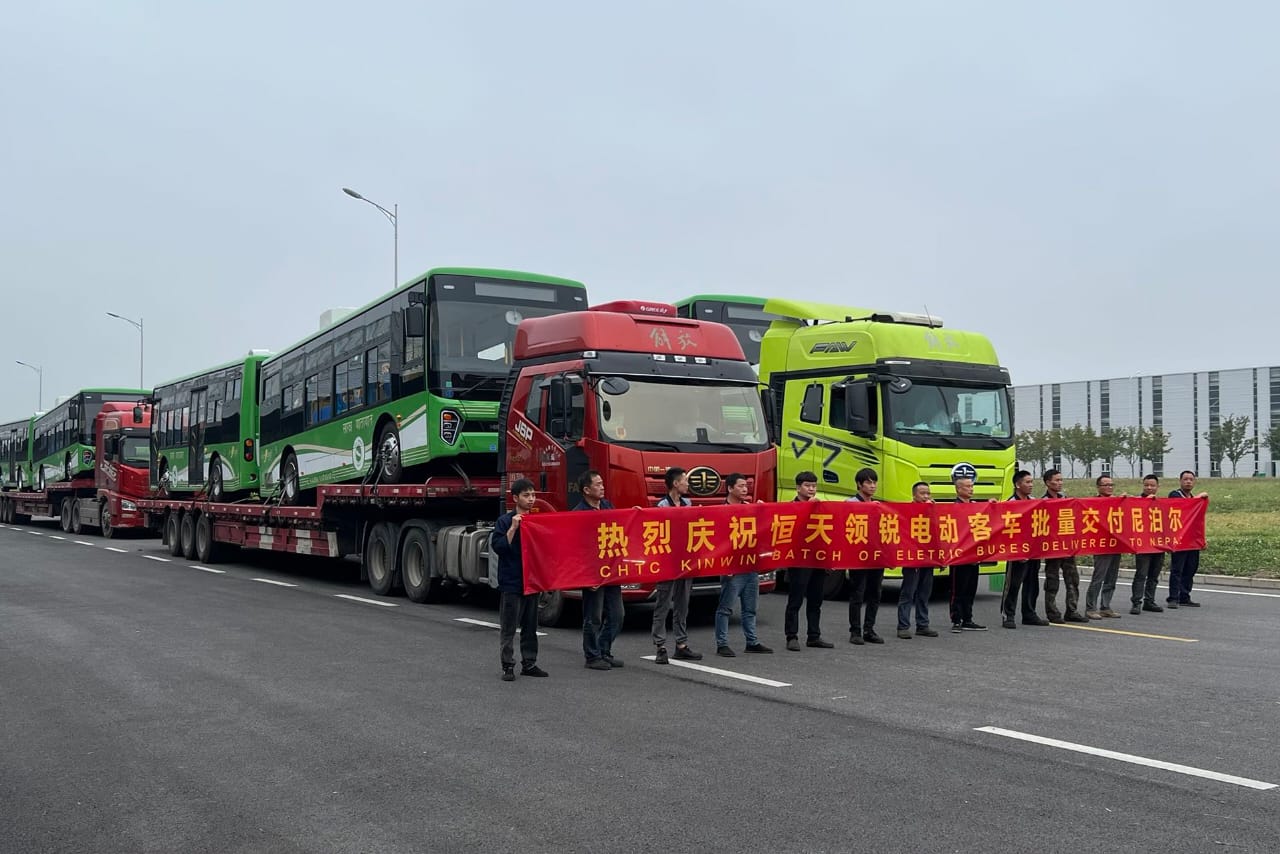
Electric vehicles (EVs) produce fewer emissions compared to traditional gasoline-powered cars. Setting up home charging stations makes it convenient to charge your EV. Additionally, advocating for more public EV charging stations can help support the wider adoption of electric vehicles.
- Engage with Community and Policy
Supporting government policies that promote renewable energy is crucial for a broader transition to clean energy. Joining or starting community solar projects allows multiple households to share the benefits of solar energy. Opting into green energy tariffs offered by utility providers can further support renewable energy initiatives.
- Invest in Energy Storage Solutions
Installing home battery storage systems allows you to store excess solar or wind energy for later use. Supporting large-scale energy storage solutions helps stabilize the grid and integrate more renewable energy sources.
- Reduce Energy Consumption
Using smart home technologies can help you monitor and reduce your energy use. Developing energy-saving habits, such as turning off lights and unplugging devices when not in use, can also make a significant difference in your overall energy consumption.
- Promote Corporate and Institutional Actions
Encouraging businesses to adopt green practices and use renewable energy supports a broader shift towards sustainability. Purchasing Renewable Energy Certificates (RECs) can offset your emissions and support renewable energy projects.
- Educate and Advocate
Raising awareness about the benefits of clean energy and the importance of reducing carbon footprints is essential. Joining environmental groups and participating in advocacy efforts can further promote renewable energy and sustainability.
- Invest in Innovative Technologies
Supporting the development and adoption of emerging clean technologies, such as advanced nuclear, wave, and tidal power, is crucial for a sustainable future. Advocating for energy-efficient practices in industrial sectors can also help reduce overall emissions. By transitioning to clean energy, you can significantly reduce your carbon footprint and contribute to a more sustainable and resilient energy future. Implement these strategies to embrace renewable energy, improve efficiency, and support policies and technologies that promote a greener planet.
Clarifying Carbon-Related Terms

Carbon Offsetting
Carbon offsetting is a method used to compensate for carbon emissions by investing in projects that reduce carbon emissions elsewhere. These projects might include activities such as tree planting or developing renewable energy sources. The primary goal of calculating your or your business’s carbon footprint is to identify ways to reduce emissions. However, eliminating all emissions is often impossible. Carbon offsetting offers a way to address the remaining emissions by supporting projects that contribute to overall carbon reduction.
Carbon Neutral
The term ‘carbon neutral’ is used by businesses claiming to have offset all their carbon emissions. Similar terms include ‘zero emissions’, ‘climate neutral’ and ‘climate positive’. If you use these terms, clearly define what is included in your carbon footprint calculations.
Net Zero
‘Net zero’ means balancing the amount of greenhouse gases emitted with the amount removed from the atmosphere. Achieving net zero involves drastic reductions in direct emissions (by 90-95%) before considering carbon offsetting. This concept is part of a global movement aiming to achieve net zero by 2050, as agreed upon in the 2015 Paris Agreement. The Science-Based Targets Initiative (SBTI) helps standardize and verify these targets for businesses, though smaller businesses might find it challenging due to limited control over certain emissions sources.
Carbon Intensity
Carbon intensity measures carbon emissions relative to business turnover, typically in CO2e per million dollars of revenue. As businesses grow, their carbon emissions might increase, potentially overshadowing reduction efforts. Conversely, a shrinking business might show reduced emissions. Carbon intensity helps gauge the effectiveness of carbon reduction efforts. A decreasing carbon intensity indicates successful reduction efforts, while an increasing intensity suggests otherwise.
Carbon Sinks
Carbon sinks are natural or artificial systems that absorb more carbon dioxide (CO₂) from the atmosphere than they release. The primary natural carbon sinks are forests, oceans, and soil. These sinks play a crucial role in mitigating climate change by reducing the concentration of CO₂ in the atmosphere.
- Forests: Trees and plants absorb CO₂ during photosynthesis, storing carbon in their biomass and releasing oxygen.
- Oceans: Marine plants, algae, and plankton absorb CO₂, and physical processes also allow oceans to take in carbon.
- Soil: Soil can store carbon through the decomposition of organic matter and the activities of microorganisms.
By enhancing and protecting these carbon sinks, we can help balance the carbon cycle and reduce the impact of greenhouse gas emissions.
Carbon Accounting
Carbon accounting is the process of measuring and tracking the amount of carbon dioxide (CO₂) and other greenhouse gases (GHGs) that an organization, project, or activity emits. It involves quantifying emissions, identifying sources, and understanding their impact on climate change. This practice helps businesses and organizations manage their carbon footprint and develop strategies to reduce emissions.
Carbon Networks
Carbon networks refer to the interconnected systems and platforms that facilitate the exchange of information, resources, and strategies related to carbon management and reduction. These networks often include businesses, governments, non-profits, and researchers working together to achieve climate goals through collaboration, knowledge sharing, and innovation.
Direct Emissions
Direct emissions are greenhouse gas emissions from sources that are owned or controlled by an organization. These include emissions from fuel combustion in company-owned vehicles, manufacturing processes, and on-site energy production.
Indirect Emissions
Indirect emissions are greenhouse gas emissions that result from the activities of an organization but occur at sources owned or controlled by another entity. These include emissions from purchased electricity, heating, and cooling.
Scope 1 Emissions
Scope 1 emissions are direct greenhouse gas emissions from sources that are owned or controlled by an organization. This includes emissions from company vehicles, on-site fuel combustion, and industrial processes.
Scope 2 Emissions
Scope 2 emissions are indirect greenhouse gas emissions from the consumption of purchased electricity, steam, heat, or cooling. These emissions occur at the facility where the electricity or energy is generated but are attributed to the organization that uses the energy.
Scope 3 Emissions
Scope 3 emissions are all other indirect emissions that occur in the value chain of an organization. This includes emissions from business travel, waste disposal, supplier operations, and the use of sold products. Scope 3 emissions often represent the largest portion of an organization’s total greenhouse gas emissions.
Understanding and managing these aspects and terminologies can guide you and your business towards meaningful and effective environmental practices.